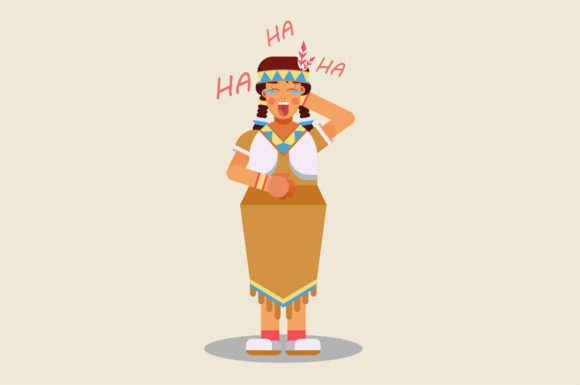
Review: Laughing Native Girl for Holiday Embroidery
As a designer who spends more time staring at stitch simulations than actual holidays, I approach every new machine embroidery design with a mix of excitement and skepticism. When I first pulled up the Characters of Laughing Native Girl, my immediate reaction wasn't just about the cuteness factor; it was about viability. In the world of craft business and handmade goods, a pretty image on a screen doesn't always translate to a durable, high-quality finished product. This review breaks down how this specific vector illustration holds up when you move from digital asset to physical thread.
First Impressions and Visual Personality
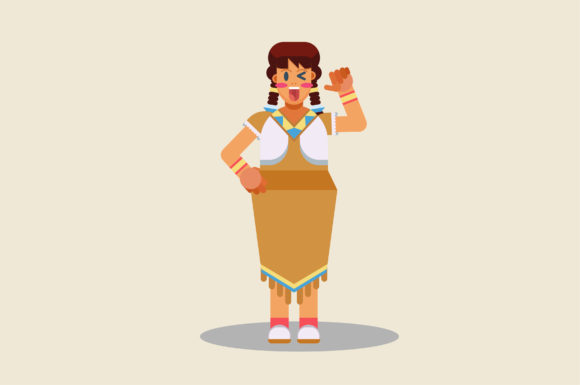
The Characters of Laughing Native Girl brings a distinct mood to the table. Unlike some generic Thanksgiving graphics that feel stiff or overly traditional, this character exudes genuine joy. The lines are fluid, suggesting a playful energy that is perfect for modern holiday decor. As an Illustration categorized under Graphics, the source file offers clean paths, which is crucial when digitizing or preparing an embroidery file for production.
The visual personality here is warm and inviting. For an Etsy seller or boutique owner, this kind of imagery stops the scroll. It avoids the caricature pitfalls often found in older holiday designs, opting instead for a cheerful, unique representation. When evaluating the layout, the composition feels balanced, meaning it shouldn't require excessive trimming or awkward repositioning when placed on a garment. However, because it originates as a vector intended for stickers or print, the transition to thread requires a keen eye for detail.
Real-World Application: The Tote Bag Test
To truly gauge the potential of this design, I imagined a specific real-life scenario: creating a limited run of canvas tote bags for a local farmers' market during the Thanksgiving season. Canvas is a forgiving fabric, but it has a distinct weave that can swallow fine details. Placing the Characters of Laughing Native Girl on a natural cotton tote creates a striking contrast. The joyful expression of the character becomes the focal point, turning a simple grocery bag into a festive accessory.
In this context, the design works exceptionally well as a central motif. If you are running a small shop product line, this image could easily anchor a collection. Imagine pairing it with simple text like "Grateful" or "Harvest Joy." The character's expressive nature adds a human touch that mass-produced prints lack. For custom apparel, such as a heavyweight sweatshirt, the design's bold shapes would stand out beautifully against heather grey or deep navy fabrics. It transforms a basic hoodie into a statement piece suitable for family gatherings or school events.
Versatility Across Products
Beyond totes and sweatshirts, the adaptability of this graphic is impressive. Here is where I see it fitting best in a commercial lineup:
- Baby Embroidery: The soft, laughing expression is ideal for onesies or bibs, provided the stitch density is reduced for delicate skin.
- Kitchen Textiles: Tea towels and aprons benefit from the holiday theme, making them perfect hostess gifts.
- Embroidered Patches: The clear outlines make this a strong candidate for iron-on or sew-on patches, adding value to jackets or hats.
- Nursery Decor: Stitched onto pillow covers or wall hangings, it adds a seasonal touch without being overwhelming.
For those selling digital embroidery files, offering this as part of a "Thanksgiving Friends" bundle could increase average order value. The key is presenting it not just as a file, but as a solution for holiday gifting.
Technical Considerations for Stitching
While the source material is a vector Illustration, moving to thread introduces physical constraints. One must be careful with stitch density. If the original vector has very tight spacing, converting it directly to a fill stitch might result in a stiff, cardboard-like patch on the fabric. I recommend reviewing the digitized version to ensure there is enough pull compensation, especially if using stretchy fabrics like jersey knits for t-shirts.
Texture matters immensely. On a textured fabric like a waffle knit or a rough linen, fine details in the character's face might get lost. In these cases, simplifying the design to use more satin stitch borders and fewer complex fills can maintain clarity. Conversely, on smooth broadcloth, you can afford more intricacy. Always test the design on scrap fabric that matches your final product. This isn't just a suggestion; it's a necessity for maintaining professionalism and customer trust.
Curved surfaces present another challenge. If you plan to use this on a cap, the center of the design needs to be robust. Tiny details at the edges of the character's hair or clothing might distort on the curve of a hat brim. For caps, consider scaling the design down slightly to fit the available hoop area without compromising the structural integrity of the stitches.
Color and Contrast Strategy
The vibrancy of the Characters of Laughing Native Girl relies heavily on thread choice. When working on dark fabrics, you cannot rely on the background showing through. You may need to add an underlay or adjust the thread colors to ensure the character pops. A printable mockup is useful here, but nothing beats sewing a sample in black and white first to check the contrast values. If the design looks muddy in grayscale, it will likely lack definition when stitched, regardless of how colorful your thread rack is.
For holiday embroidery, traditional autumn palettes work well, but don't be afraid to experiment. A monochromatic look using varying shades of gold or cream thread on a dark green velvet pillow could elevate the design from "crafty" to "luxury home decor."
Business Value and Brand Consistency
Using high-quality assets like this directly impacts your brand perception. When a customer receives a personalized gift featuring a clear, well-stitched character, it reinforces the idea that your handmade product is worth the price. Sloppy stitching or inappropriate fabric choices can undermine even the cutest design. Therefore, the Characters of Laughing Native Girl should be treated as a premium asset.
For commercial embroidery projects, consistency is key. If you are producing fifty items for a corporate event or a school fundraiser, every single stitch count and thread change must be identical. Ensure your embroidery project settings are locked in before starting the run. This design's friendly vibe makes it excellent for building community engagement, whether it's for a local bakery's staff uniforms or a charity run.
Final Designer Notes
Before committing to a full production run, keep these practical steps in mind:
- Check Licensing: Since this is a Graphics asset, confirm the license terms. Can you sell the finished physical item? Can you resell the digitized file? Never assume; always verify to protect your craft business.
- Stabilizer Selection: Match your stabilizer to the fabric. Cut-away is usually safer for garments that will be washed frequently, while tear-away might suffice for decorative wall art.
- Hoop Size Verification: Ensure the design fits your available hoop without needing to re-hoop, which can cause alignment issues.
- Detail Inspection: Zoom in on the digitized file. Are there tiny isolated stitches that might flag or break? Edit them out before stitching.
The Characters of Laughing Native Girl is more than just a festive image; it is a versatile tool for creators who understand how to bridge the gap between digital art and textile reality. With the right preparation and attention to technical details, it can become a standout element in your holiday collection, delighting customers and enhancing your reputation as a skilled maker.