Cheerful Native Girl: A Designer's Embroidery Review
As a designer who spends more time staring at stitch previews than I do sleeping, I approach every new machine embroidery design with a mix of optimism and skepticism. When I first opened the file for Characters of Cheerful Native Girl, my immediate reaction wasn't just about the cuteness factor; it was about viability. In the world of craft business and handmade goods, a pretty picture on a screen doesn't always translate to a durable, high-quality finished product. This review breaks down how this specific Illustrations asset holds up when moved from a digital design assets library to the hoop.
First Impressions: Mood and Visual Personality
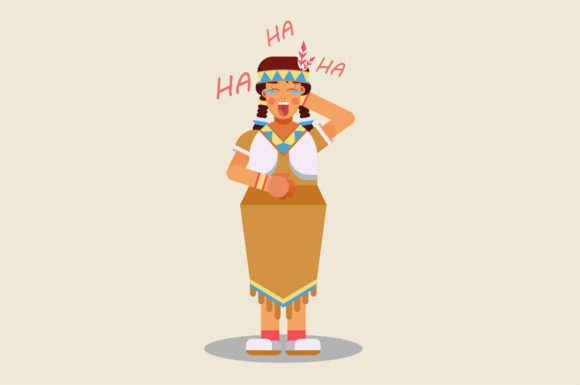
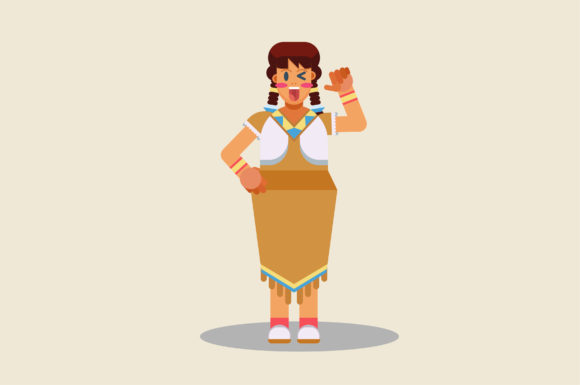
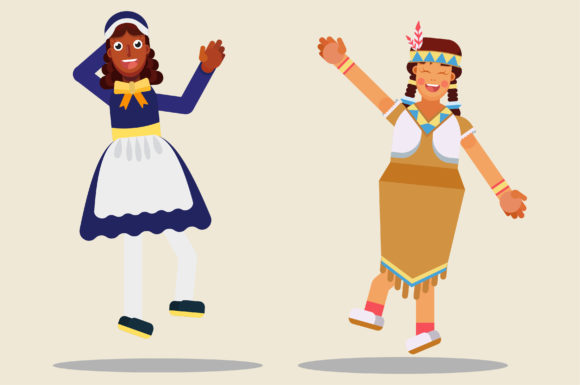
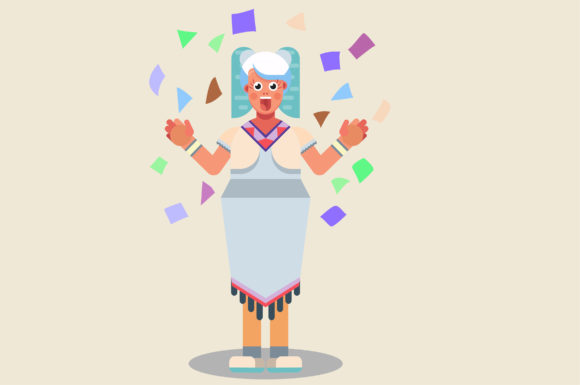
The visual personality of Characters of Cheerful Native Girl is undeniably warm. The description mentions "grateful and peaceful," and those traits come through in the line work. For an embroidery project, this is crucial. Designs that are too busy or aggressive often look chaotic once stitched out, especially on textured fabrics. This character, however, relies on simple, clean lines that suggest a vector origin. As a Graphics file intended for conversion or direct use, the simplicity is its strongest asset. It creates a mood of nostalgia and comfort, making it an ideal candidate for holiday embroidery projects, particularly around Thanksgiving, or for year-round nursery decor where a soft, inviting aesthetic is required.
The layout feels balanced, avoiding the trap of having details that are too close together. In embroidery, negative space is just as important as the thread coverage. If a design is too dense, the fabric puckers; if it's too sparse, the background shows through unattractively. This character seems to strike a middle ground, suggesting it would perform well as a satin stitch outline or a light fill stitch application, depending on how you digitize or interpret the vector data.
Real-World Application: The Tote Bag Scenario
To truly test the worth of Characters of Cheerful Native Girl, I imagined a specific client request: a custom embroidered tote bag for a local boutique selling organic, fair-trade goods. The client wanted something that felt handmade but professional. Here is where the rubber meets the road. Tote bags are usually made of canvas or heavy cotton, which have a distinct fabric texture. A design with tiny, intricate details often gets lost in the weave of canvas. Because this character illustration is described as "simple," it is likely robust enough to stand out on a tote without disappearing into the grain of the fabric.
If I were stitching this onto a tote bag design, I would lean towards using thicker threads to emphasize the cheerful nature of the girl. The simplicity allows the thread colors to pop against a natural beige or off-white canvas. For a small shop product, this kind of clarity translates to perceived value. Customers are willing to pay more for an item where the embroidery looks crisp and intentional, rather than muddy or overly complicated. This design supports that level of professionalism.
Versatility Across Apparel and Home Decor
Beyond tote bags, the adaptability of Characters of Cheerful Native Girl extends to various substrates. For sweatshirt embroidery, the design's lack of excessive density is a blessing. Sweatshirt fleece is thick and lofty; pushing too many stitches into it can cause the design to sink or the fabric to bunch. A simpler character design sits nicely on top of the pile. Similarly, for baby embroidery, where skin sensitivity and washability are paramount, fewer stitches mean a softer hand feel against a baby's cheek. Whether it's a onesie or a burp cloth, the "peaceful" vibe of the character fits the nursery aesthetic perfectly.
I can also see this working beautifully as an embroidered patch. Patches require designs that hold their shape when cut out. The clear silhouette of this native girl character suggests it would digitize cleanly for a merrowed edge or a laser-cut finish. For an Etsy seller looking to expand their inventory beyond flat garments, offering iron-on patches featuring this character could be a lucrative avenue. It transforms a single digital embroidery file into multiple revenue streams.
Technical Considerations and Fabric Challenges
However, no design is without its challenges. While Characters of Cheerful Native Girl appears simple, one must be cautious with hoop size limitations. If the original vector is large, scaling it down for a cap or a pocket might compress the details. On curved surfaces like baseball caps, even simple designs can distort if the stitch density isn't adjusted for the curvature. I would advise testing this on scrap fabric that mimics your final product before committing to a client order.
Dark fabrics present another hurdle. If the character relies on light pastel colors to convey its "cheerful" nature, stitching it directly onto a black hoodie might result in poor contrast unless you utilize an underlay or a backing layer. This is where the concept of an applique design becomes relevant. If the file allows, cutting the character shape from a contrasting fabric and stitching it down (applique) could solve color contrast issues while adding a lovely textural element to the piece. Always check if the file format you purchase supports these techniques or if you need to manually digitize the vector for applique.
Enhancing Brand Value and Customer Trust
In the competitive landscape of commercial embroidery, consistency is key. Using a cohesive set of characters like Characters of Cheerful Native Girl can help build brand recognition. If you are an apparel decorator creating a line of holiday gifts, using this character across different products—pillow covers, tea towels, and aprons—creates a unified collection. This professionalism builds customer trust. Buyers recognize the quality and the style, making them more likely to return for future personalized gift needs.
The visual appeal of this design also aids in marketing. When creating printable mockup images for your online store, a clean, recognizable character photographs better than a cluttered mess of threads. It looks good on social media feeds, which drives engagement. For creative entrepreneurs, the "instagrammability" of a product is a tangible metric of success. This character, with its grateful and peaceful expression, evokes an emotional response that encourages sharing and liking.
Final Designer Notes and Best Practices
Before you rush to stitch Characters of Cheerful Native Girl on your next project, keep these practical steps in mind. First, always test the design on scrap fabric identical to your final material. Check the stabilizer weight; a lightweight design might need less stabilizer, but stretchy fabrics always require extra support. Second, review the thread colors. Ensure there is enough contrast between adjacent areas so the details don't blend together. Third, verify the licensing terms. Since this is marketed as a vector illustration that can be used as a sticker, confirm whether the license permits commercial use for physical goods or if it is restricted to personal projects. This is vital for any craft business owner to avoid legal pitfalls.
Finally, consider the end user. Will this item be washed frequently? If so, ensure the stitch type (whether running stitch, satin, or fill) is secure enough to withstand laundering without fraying. By treating Characters of Cheerful Native Girl not just as a cute image but as a functional component of a larger product strategy, you maximize its potential. It is a versatile, mood-lifting addition to your library of Illustrations and Graphics, capable of elevating everything from a simple kitchen towel to a high-end boutique garment.