Cheerful Little Boy: A Designer's Review for Holiday Embroidery
As someone who spends hours digitizing, stitching, and critiquing designs for client projects, I approach every new machine embroidery design with a mix of optimism and skepticism. When I first pulled up the file for Characters of Cheerful Little Boy, my immediate reaction was one of warmth. This isn't just another generic holiday graphic; it captures a specific mood of joy that is often hard to translate into thread. The source material describes it as a vector illustration of joyful Thanksgiving people, and that "vector" origin is crucial for us stitchers. It suggests clean lines and defined shapes, which are the backbone of a successful embroidery project.
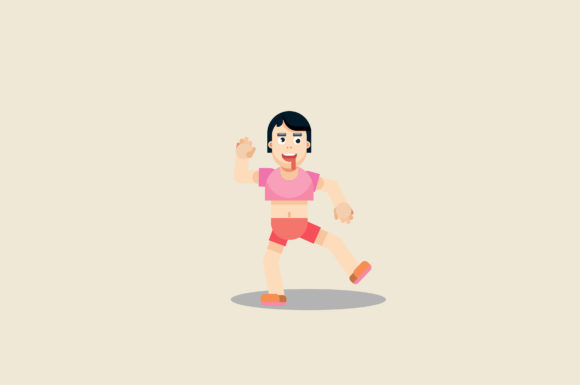
The visual personality of this design leans heavily into the whimsical. The character exudes a playful energy that feels perfect for the upcoming holiday season. However, looking at it through the lens of a professional who has to deliver a flawless finished product, I had to look past the cute factor. How does this actually behave under the needle? Does it hold up on a textured sweatshirt, or does it get lost on a busy fabric? Let's break down how Characters of Cheerful Little Boy performs in real-world scenarios.
From Screen to Stitch: Evaluating the Layout
The first thing I noticed about this Illustrations category asset is its composition. The character is designed with a clarity that suggests it was meant to be seen from a distance, which is ideal for apparel. In the world of Graphics, details can sometimes be too fine for embroidery, but this design seems to strike a balance. The shapes appear robust enough to handle fill stitch areas without becoming a dense blob of thread, while the outlines likely translate well to a crisp satin stitch or a clean running stitch depending on the digitizer's interpretation.
For a small business owner or an Etsy seller, the versatility of a design is its greatest asset. I can immediately see Characters of Cheerful Little Boy working as a focal point on a custom tote bag. Imagine a natural canvas bag with this cheerful boy stitched in warm autumn tones; it creates an instant handmade product that feels boutique-quality. The layout is compact enough to fit within standard hoop constraints, but you must verify the specific hoop size requirements provided with your digital embroidery file. If the design is too large, you might be forced to resize it, which can compromise the stitch density and lead to gaps or puckering.
Real-World Application: The Sweatshirt Test
To truly test the viability of this design, I mentally placed it on a heather grey fleece sweatshirt—a staple item for any craft business during the fall. This is where the rubber meets the road. Fleece has a distinct fabric texture that can swallow small details. Because Characters of Cheerful Little Boy relies on strong character definition rather than intricate background noise, it should perform well here. The contrast between the bright thread colors typically associated with Thanksgiving (burnt orange, deep red, golden yellow) and the grey fabric would make the character pop.
However, caution is needed regarding stabilizer selection. When embroidering on stretchy fabrics like sweatshirt fleece or baby knits, using the wrong stabilizer can cause the design to distort after washing. For a project like this, a cut-away stabilizer is often safer than tear-away, ensuring the custom apparel maintains its shape and the stitching remains crisp over time. If you are planning to sell these as holiday embroidery gifts, durability is non-negotiable. Customers expect their personalized items to last, and the structural integrity of the stitch-out determines their trust in your brand.
Navigating Fabric Challenges and Detail Levels
While the design shines on medium-weight fabrics, there are scenarios where you need to proceed with care. If you attempt to stitch Characters of Cheerful Little Boy on a thin, silky blouse or a highly textured waffle weave, the results might vary. Thin fabrics require careful tension adjustments to prevent puckering, while highly textured surfaces can obscure the finer lines of the character's face or clothing details.
Additionally, consider the application on curved surfaces like caps. While possible, placing a character design on a front panel requires precise centering and potentially a stiffer backing to keep the design flat. If the original vector includes tiny elements—like small buttons on the character's coat or subtle facial features—these might need simplification in the digitizing process if you are creating an applique design version or adapting it for a smaller hoop. Always inspect the small details before committing to a production run.
Commercial Viability and Brand Consistency
For creative entrepreneurs, the question isn't just "does it look good?" but "does it sell?" The charm of Characters of Cheerful Little Boy lies in its approachability. It fits seamlessly into a lineup of personalized gift items for families. Think of matching sibling shirts for a Thanksgiving gathering or a special outfit for a baby's first holiday photo. The design's friendly aesthetic enhances buyer engagement because it evokes emotion. People buy feelings as much as they buy products.
When using this in a commercial setting, consistency is key. If you are building a collection of small shop product listings, ensure that the thread colors you choose for this character align with your broader brand palette. You might create a signature look by always using specific shades of brown and orange for your autumn line. Furthermore, before listing any items made with this design asset, you must confirm the licensing terms. Since the source describes it as a vector that can be used as a sticker, the rights for physical embroidery versus digital resale may differ. Never assume; always check if the license allows for commercial embroidery sales or if it is restricted to personal use only.
Practical Notes for the Serious Stitcher
Before you load this onto your machine for a client order, follow these practical steps to ensure professional results:
- Test on Scrap Fabric: Always stitch a sample on the exact same material and weight as the final product. This reveals issues with tension or density early.
- Check Color Contrast: View your printable mockup in black and white. If the character blends into the background in grayscale, adjust your thread choices for better definition.
- Review Stitch Density: High density can make a design stiff. Ensure the fill areas aren't so heavy that they ruin the drape of a t-shirt or baby onesie.
- Verify File Formats: Ensure the embroidery file format matches your machine (PES, DST, EXP, etc.) to avoid conversion errors that corrupt stitch data.
- Inspect Small Details: Zoom in on the digitized preview. Are there jump stitches that should be trimmed? Are the connecting ties secure?
In conclusion, Characters of Cheerful Little Boy offers a delightful blend of festive spirit and practical design structure. It is a versatile choice for anyone looking to add a touch of handmade warmth to their holiday offerings. Whether you are decorating a kitchen towel, creating a boutique patch, or launching a new line of baby embroidery wear, this design has the potential to be a standout performer. Just remember that the difference between a good stitch-out and a great one often lies in the preparation. Respect the fabric, choose your stabilizer wisely, and let the cheerful nature of this character bring a smile to your customers' faces.