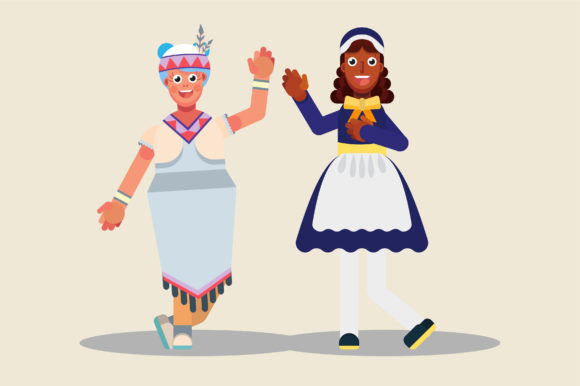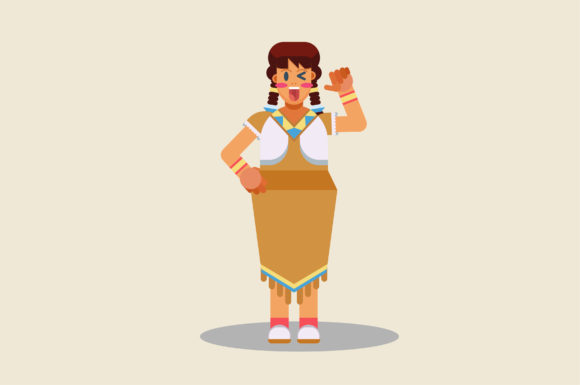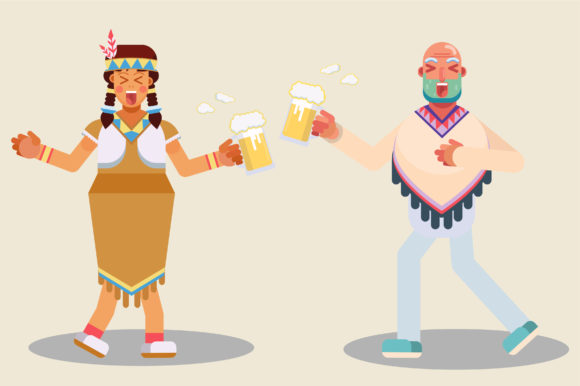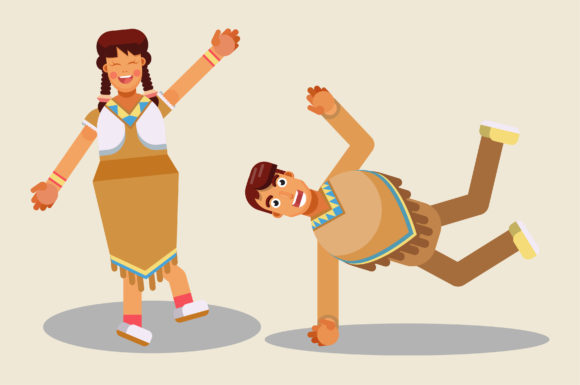
Native Girl and Farm Boy Characters
As an embroidery designer with years of experience, I always start by evaluating a design’s overall feel before considering its practical use. Native Girl and Farm Boy Characters immediately caught my attention with its simple yet heartfelt aesthetic. The illustration feels like a warm, nostalgic scene that could easily translate into a variety of handmade and commercial projects.
The First Impression: A Peaceful, Grateful Mood
Native Girl and Farm Boy Characters exudes a sense of calm and gratitude. The characters are drawn in a clean, minimal style that feels both modern and timeless. Their expressions are gentle, and the layout is balanced, making it easy to visualize how they might appear on different types of fabric. This design would work well as a sticker, but its simplicity also makes it ideal for embroidery.
The visual personality of the design is friendly and approachable, which is perfect for products aimed at families, holiday gifts, or personal items. It doesn’t scream for attention but instead invites a quiet, thoughtful connection—ideal for a Thanksgiving theme or any project that values simplicity and sincerity.
Real-Life Embroidery Scenarios
When I think about using Native Girl and Farm Boy Characters in real embroidery projects, several applications come to mind. A custom embroidered tote bag featuring these characters would be a great addition to a craft fair booth or an Etsy shop. Similarly, a sweatshirt with this design could become a popular item for a small business looking to offer seasonal apparel.
This design also has potential for baby items, such as onesies or blankets. The soft lines and peaceful vibe make it suitable for nursery decor or personalized gifts. As an embroidery file, it could be used for patches, aprons, or even kitchen towels, adding a touch of warmth to everyday objects.
For commercial embroidery projects, Native Girl and Farm Boy Characters offers a versatile base that can be adapted to various fabrics and sizes. However, it’s important to consider the scale and detail when working with smaller hoop sizes or more textured materials.
Where to Use With Caution
While Native Girl and Farm Boy Characters is generally straightforward, there are some situations where extra care is needed. On thin or stretchy fabrics, the design may not hold up as well, especially if the stitch density is too high. Dark fabrics could also pose a challenge, as the contrast between the design and the background may not be as clear.
For curved surfaces like caps or hats, the design might require slight adjustments to ensure proper placement and visibility. Tiny details, such as facial features or clothing textures, could be lost if the stitch count is too low or the stabilizer isn’t properly applied.
If you’re planning to use this design for layered garments or products that will see frequent washing, it’s wise to test it first. Stabilizer is key here, as it helps maintain the integrity of the design over time.
Impact on Visual Appeal and Customer Perception
Native Girl and Farm Boy Characters has a strong visual appeal that can elevate the value of any handmade product. Its clean lines and simple composition make it easy to recognize, which is essential for brand consistency and customer trust. When used on custom apparel or personalized gifts, it adds a professional touch that customers appreciate.
For Etsy sellers and small shop owners, this design can serve as a reliable asset in printable mockups or digital product previews. It’s also a great choice for giftable items, as the peaceful theme resonates well with buyers looking for meaningful, handcrafted presents.
The design’s ability to convey emotion through simplicity makes it highly recognizable and memorable. This can help increase buyer engagement, especially when paired with other complementary elements in a larger collection.
Practical Designer Notes
Before committing to a full project, I always recommend testing Native Girl and Farm Boy Characters on scrap fabric. This allows you to see how the design looks in different thread colors and fabric textures. It’s also a good idea to review the stitch density to ensure it’s appropriate for your chosen material.
Check the hoop size required for the design, as some embroidery machines may struggle with larger files. Inspect small details closely, especially if you plan to use this as an applique design or for intricate areas like corners or edges.
Testing the design in black and white mockups can help you understand how it will look on different backgrounds. Comparing it on light and dark fabrics will give you a better idea of its versatility. Using the right stabilizer is crucial, especially for delicate or stretchy materials.
Finally, confirm whether the design is suitable for both personal and commercial use. If you're selling finished items or digital products, make sure the licensing terms allow for that. Always double-check the file format and machine compatibility, as these factors can impact your workflow.