Review: Characters Little Twin Girls Who Fight for Embroidery
As a designer who spends more time staring at stitch previews than actual screens, I approach every new machine embroidery design with a mix of curiosity and skepticism. When I first pulled up the file for Characters Little Twin Girls Who Fight, my immediate reaction wasn't just about the cuteness factor; it was about feasibility. We've all been there: you see a adorable vector illustration online, buy the digital embroidery file, and then realize halfway through stitching that the details are too tight for your machine or the theme clashes with the fabric texture. This review breaks down how this specific graphic holds up when moved from a screen to a real-world embroidery project.
First Impressions: Mood and Visual Personality
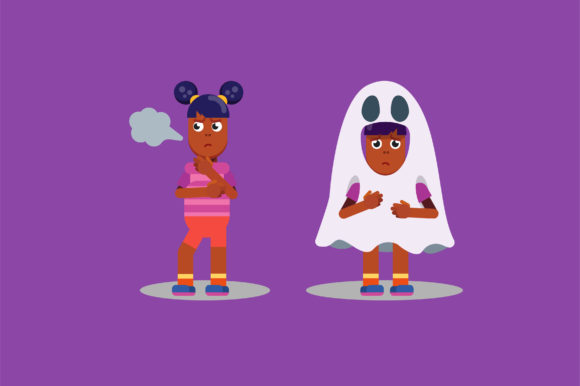
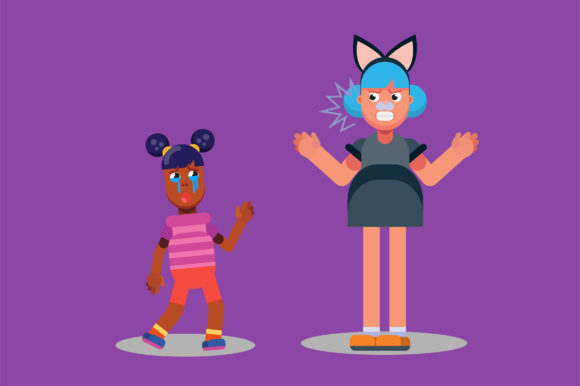
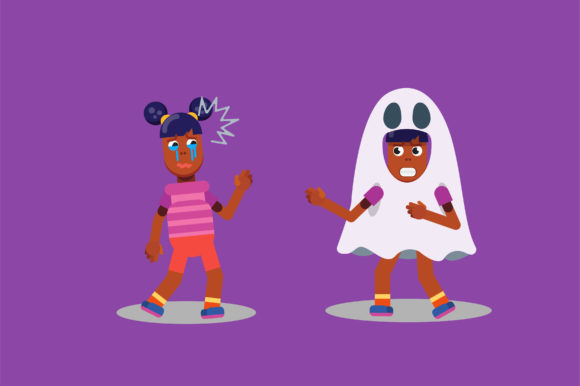
The source material is described as a "sad Halloween" illustration, which immediately sets a unique tone. In the world of holiday decor, we often see the same old grinning pumpkins and spooky ghosts. The concept of twin characters in a conflict or emotional state offers a narrative depth that standard clip art lacks. Visually, the design relies on strong outlines and expressive features. For an embroiderer, this translates to a heavy reliance on clean running stitch work for definitions and potentially dense fill stitch areas for the characters' clothing or hair.
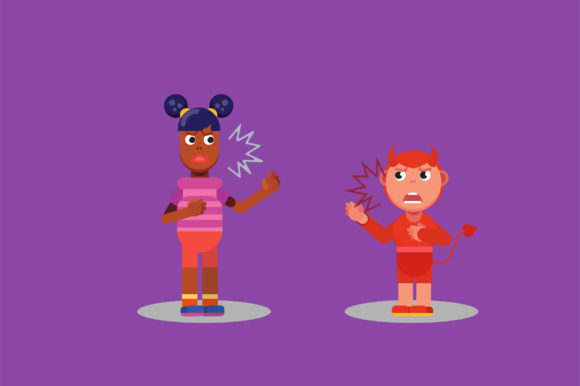
The "fight" aspect suggests dynamic posing. In embroidery, dynamic poses can be tricky. If the limbs are too close to the body or the angles are too sharp, you risk thread bunching or poor coverage. However, because the original asset is a colorful vector intended for stickers, the shapes are likely bold and distinct. This is a good sign. Bold shapes usually digitize well into satin columns or broad fills, making them suitable for everything from a small embroidered patch to a large back-panel design on a jacket.
Real-World Application: The Custom Tote Bag Scenario
To truly test the viability of Characters Little Twin Girls Who Fight, I imagined a specific client request: a custom order for a boutique shop selling quirky, narrative-driven handmade product lines. The client wanted a limited run of canvas tote bags for the Halloween season that stood out from the sea of generic orange and black merchandise.
Using this design on a canvas tote bag design makes sense for several reasons. Canvas has enough tooth to hold detailed stitching without puckering, provided you use the right stabilizer. The narrative nature of the twins fits the "storytelling" vibe that modern consumers love on accessories. When stitched, the contrast between the "sad" mood and the bright vector colors would create a striking visual pop against a natural or black canvas background. It transforms a simple grocery bag into a piece of wearable art, increasing the perceived value of the finished product.
Beyond totes, this graphic shines on sweatshirt embroidery. A oversized crewneck with this design centered on the chest or placed on the sleeve would appeal to the "cozy but edgy" aesthetic popular with younger demographics. The key here is scale. Since the original is an illustration, you have the flexibility to resize it (within reason) to fit the garment. Just ensure that if you scale it down for a pocket detail, you don't lose the facial expressions that convey the "fight" or "sadness."
Navigating Technical Challenges
While the design has potential, there are areas where caution is necessary. The description mentions it is an "easy to edit vect," which is great for us designers, but remember that editing a vector in Illustrator is not the same as editing a stitch file in your embroidery software. If you plan to alter the colors or shapes, you must re-digitize or carefully adjust the stitch properties.
- Stitch Density: Watch out for dense areas in the hair or clothing folds. High density on stretchy fabrics like jersey knits can cause the fabric to pucker or the stitches to break during wear. Always test on scrap fabric first.
- Small Details: If the "fight" involves small props or intricate finger details, these might get lost if the hoop size is too small or if the thread thickness is too heavy. Consider simplifying tiny elements for smaller applications like baby clothes or caps.
- Fabric Texture: On textured fabrics like towels or corduroy, fine details can get swallowed up. This design might work better as an applique design on such materials, where you use fabric pieces to create the shapes rather than relying solely on thread coverage.
- Curved Surfaces: Placing this on a cap requires careful attention to the center line. Dynamic poses can look off-balance if not centered perfectly on the curved visor area.
Commercial Viability and Brand Consistency
For Etsy sellers and craft business owners, the uniqueness of a design is currency. Characters Little Twin Girls Who Fight offers a niche appeal. It's not just "Halloween"; it's "emotional Halloween." This specificity helps in branding. If your shop focuses on whimsical, slightly dark, or character-driven goods, this asset reinforces your brand identity. It builds customer trust because it shows you aren't just using free, overused clip art.
However, before listing this as a small shop product, you must verify the licensing terms. The product description notes it can be used as a sticker and is easy to edit, but commercial rights for physical goods versus digital resale vary wildly. Ensure you have the clearance to sell custom apparel or personalized gift items featuring this character. Nothing kills a small business faster than a copyright strike.
Practical Designer Notes for Execution
If you decide to move forward with this Graphics asset for your next holiday embroidery run, here is my checklist for success:
- Test Thread Colors: The "sad" mood might rely on specific cool tones or muted palettes. Don't assume the default thread chart matches the vector. Create a physical color map to ensure the emotion translates through the thread.
- Mockup Verification: Before stitching, create a black and white mockup. This helps you see if the contrast is sufficient. If the design looks like a gray blob in grayscale, it will lack definition when stitched.
- Stabilizer Selection: For woven fabrics like twill or canvas, a cut-away stabilizer is usually best for durability, especially if the item will be washed frequently. For knits, consider a tear-away topped with mesh to prevent sinking.
- Check Licensing: Reiterating this is crucial. Confirm if the license allows for unlimited physical sales or if there is a cap on the number of commercial embroidery units you can produce.
In conclusion, Characters Little Twin Girls Who Fight is a compelling choice for designers looking to add narrative flair to their Illustrations portfolio. It moves beyond generic seasonal decor and offers a character-driven element that resonates with modern buyers. While it requires careful handling regarding stitch density and fabric choice, its potential for creating memorable personalized products is high. Whether you are making a one-off personalized gift for a friend or launching a new line of boutique patches, this design provides a solid foundation—provided you respect the technical limits of your machine and the legal limits of your license.