Joyful Thanksgiving Characters: A Designer's Stitch Review
As a designer who spends more time staring at stitch simulations than actual turkey dinners, I approach new Illustrations and Graphics with a specific set of criteria. It is not enough for a design to look cute on a screen; it must survive the tension of the hoop and the texture of real fabric. When I first opened the files for Joyful Thanksgiving Characters, my immediate reaction was one of cautious optimism. The vector source material promises a colorful, happy Thanksgiving vibe, suitable for stickers and digital use, but my job is to determine if this translates effectively into a physical machine embroidery design for client projects.
First Impressions: Mood and Visual Personality
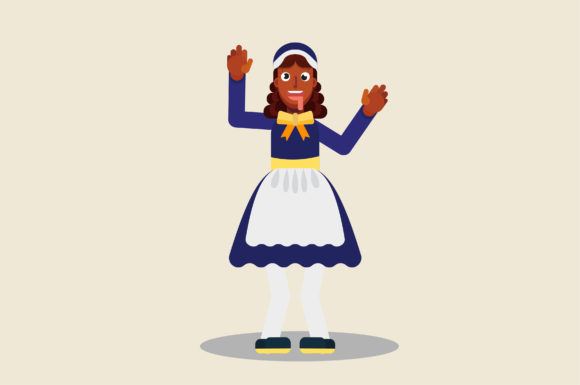
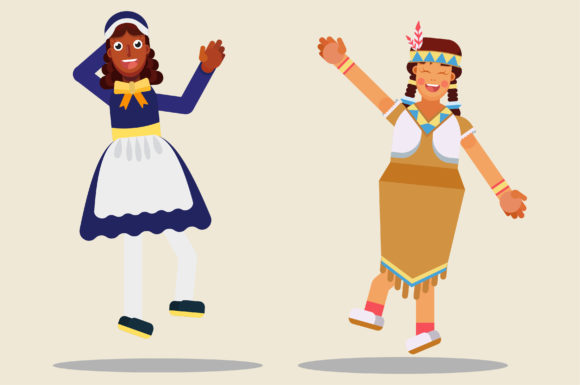
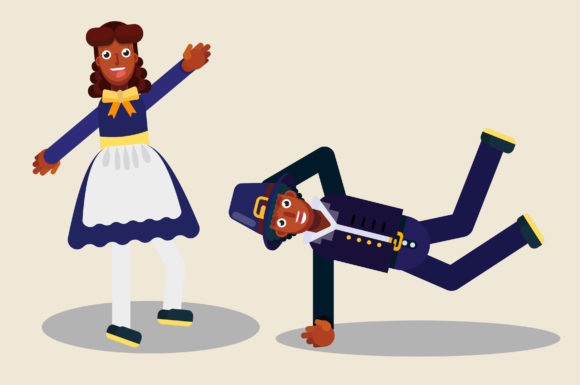
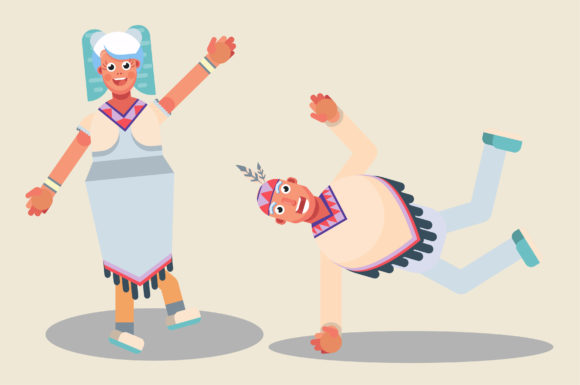
The initial visual impact of Joyful Thanksgiving Characters is undeniably cheerful. The line work suggests a playful, hand-drawn aesthetic that avoids the stiff, overly geometric feel of some automated conversions. For an embroidery project, this fluidity is crucial. Rigid lines often result in jagged edges when stitched, whereas organic curves tend to hide minor tension inconsistencies better. The theme centers on classic holiday motifs, likely featuring turkeys, pumpkins, or pilgrims rendered in a friendly, approachable style. This mood makes the design a natural fit for holiday embroidery intended for families, children, or boutique home decor where warmth is the primary selling point.
However, from a technical standpoint, the "colorful" nature of the vector illustration raises immediate questions about thread colors. In digital Graphics, color transitions are seamless. In embroidery, every color change is a stop, a trim, and a potential point of frustration for the machine operator. If the original illustration relies on subtle gradients, those will need to be simplified into solid blocks of color using fill stitch or satin stitch techniques during the digitizing phase. A successful translation of Joyful Thanksgiving Characters depends entirely on how well these color zones are defined before the needle ever touches the fabric.
Real-World Application: The Tote Bag Scenario
To truly evaluate this design, I imagined a specific real-life scenario: a custom order for a local farmer's market vendor needing tote bag design elements for their November lineup. The client wants something that screams "gratitude" without being overly traditional or stuffy. Joyful Thanksgiving Characters fits this brief perfectly. On a canvas tote, the slightly whimsical shape of the characters would stand out against the neutral background, offering a high-contrast, eye-catching finished product.
In this context, the layout of the characters is key. If the design features multiple distinct figures, they need to be spaced appropriately to prevent the fabric from puckering between elements. For a tote bag, which undergoes significant stress when filled with groceries, the stitch density must be balanced. Too dense, and the bag becomes stiff and prone to tearing at the perforation points; too light, and the design lacks presence. Assuming the digitized version of Joyful Thanksgiving Characters utilizes underlay stitches correctly, it should hold up well on medium-weight canvas. The result would be a handmade product that feels professional yet accessible, exactly what small shop owners need to differentiate themselves during the holiday rush.
Versatility Across Products
Beyond tote bags, the adaptability of this design extends to various custom apparel items. Imagine a cozy sweatshirt embroidery project for a family reunion. The soft, rounded edges of these characters would complement the fleece or French terry fabric beautifully. Similarly, for baby embroidery, such as a bib or a onesie, the gentle aesthetic is appropriate, provided the stitch count isn't too high for delicate skin. The design could also serve as the centerpiece for an embroidered patch, allowing customers to iron or sew the motif onto jackets or hats, adding a layer of versatility to the design assets.
For Etsy sellers and creative entrepreneurs, the commercial potential lies in the design's ability to evoke emotion. Whether used on kitchen towels, aprons, or pillow covers, Joyful Thanksgiving Characters offers a narrative element that generic text-based designs lack. It tells a story of celebration and togetherness, which increases the perceived value of the item. A simple tea towel becomes a personalized gift when adorned with these lively figures, making it an ideal choice for hostess gifts or corporate holiday giveaways.
Technical Considerations and Fabric Challenges
While the artistic merit is clear, practical execution requires vigilance. There are specific scenarios where Joyful Thanksgiving Characters demands careful handling. First, consider hoop size. If the character group is wide, it may require a large hoop, limiting its use on smaller items like cap fronts or infant sleeves. Always check the dimensions of the specific embroidery file version you purchase.
Fabric texture is another critical variable. On textured fabrics like waffle weave or heavy linen, fine details in the character's faces or accessories might get lost. The running stitch outlines, if present, need to be thick enough to bridge the gaps in the fabric weave. Conversely, on stretchy fabrics like jersey knits, the stability of the design is paramount. Without a high-quality cut-away stabilizer, the movement of the fabric could distort the cheerful expressions into something unintentionally grotesque.
Dark fabrics present a unique challenge. If the original vector relies on light pastels, stitching them directly onto navy or black fabric will result in poor visibility. In such cases, an applique design approach might be necessary, using a light-colored fabric base beneath the stitching to ensure the colors of Joyful Thanksgiving Characters pop as intended. Additionally, curved surfaces like baseball caps can distort horizontal layouts. If the design is wide, it may not wrap correctly around the front panel of a cap without significant warping.
Designer Notes for Best Results
Before committing to a production run or listing a new item in your craft business, I strongly advise following a few practical steps. First, always test the design on scrap fabric that matches your final material. This allows you to check thread color contrast and verify that the stitch density does not cause puckering. Second, review the design in a black-and-white mockup. This helps identify areas where details might merge or disappear without the distraction of color.
Pay close attention to small details. Tiny lettering or intricate facial features often simplify poorly in embroidery. If the vector illustration includes minute elements, ensure they are either removed or enlarged in the digitizing process. Furthermore, confirm the licensing terms. While the description mentions use as a sticker and easy editing, commercial rights for physical goods versus digital resale can vary. Ensure you have the clearance to sell finished products or printable mockups derived from this art.
Finally, consider the end-user experience. Will this item be washed frequently? If so, reinforce the edges and ensure the thread quality is high to prevent fraying. A commercial embroidery project lives or dies by its durability. By treating Joyful Thanksgiving Characters not just as a pretty picture but as a structural component of a tangible good, you elevate the final output from a simple craft to a professional-grade item.
In conclusion, Joyful Thanksgiving Characters holds significant promise for designers looking to inject personality into their holiday collections. Its strength lies in its emotional resonance and versatile layout, but its success depends on thoughtful digitizing and material selection. Whether you are creating a one-off personalized gift or stocking inventory for a small shop product line, this design offers a solid foundation for creativity, provided you respect the technical limits of the embroidery medium.